Chemistry
Alcohols, Phenols and Ethers
Question 246 / MCQ
Find out the major product from the following reaction.
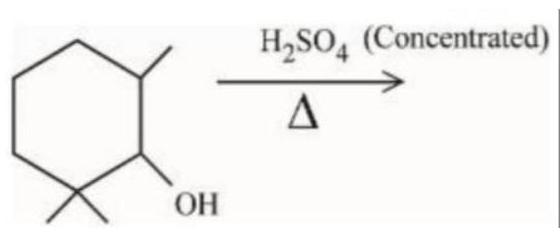
A.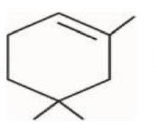
B.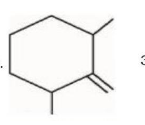
C.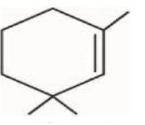
D.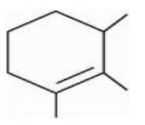
Correct answer: D
Source solution

Question 247 / MCQ
Find out the major product for the following reaction.

A.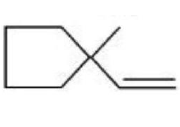
B.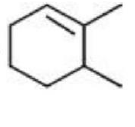
C.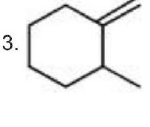
D.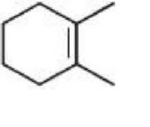
Correct answer: D
Source solution
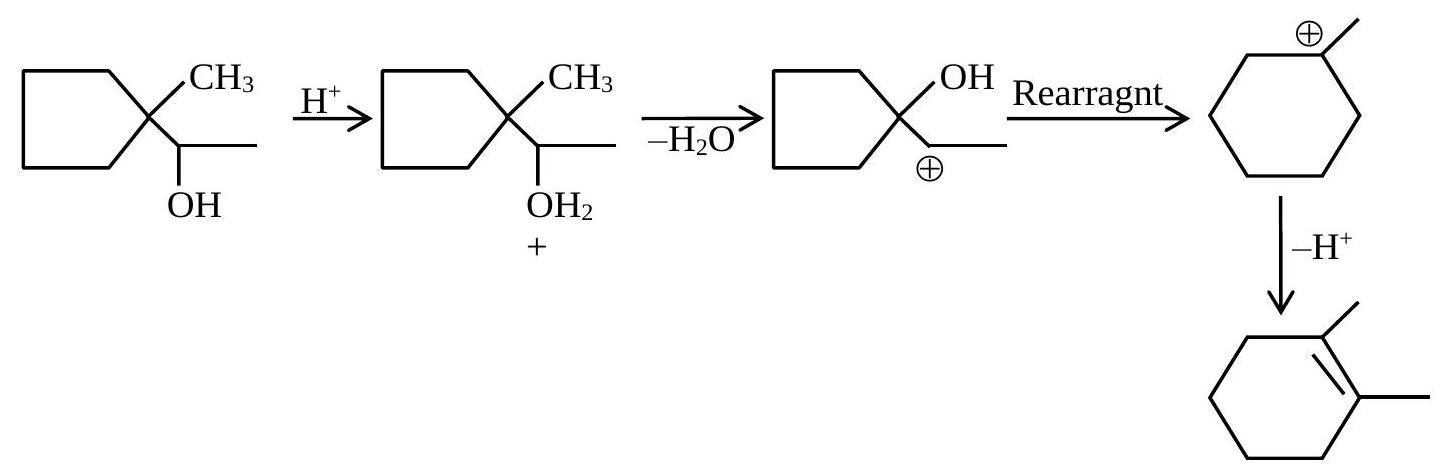
Question 248 / MCQ
Identify 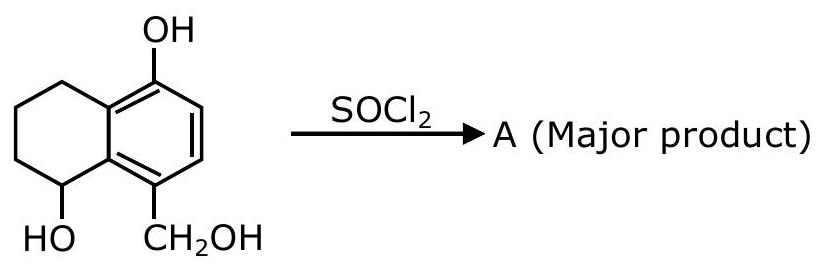
A.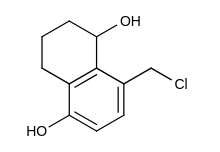
B.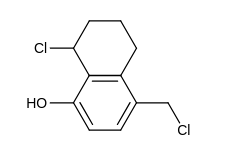
C.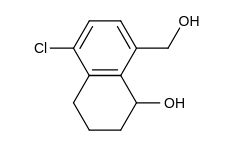
D.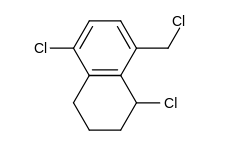
Correct answer: B
Source solution
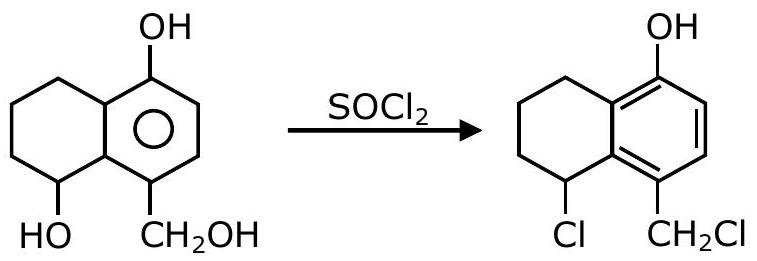
Question 249 / MCQ
Consider the above reaction and predict the major product.
A.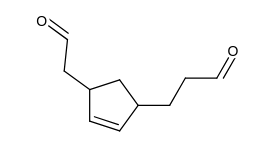
B.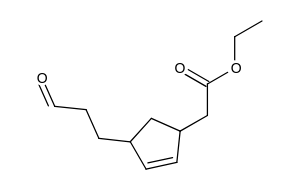
C.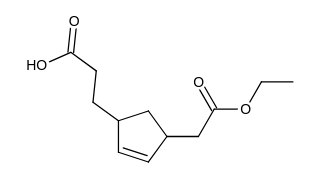
D.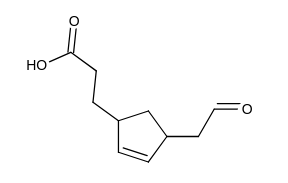
Correct answer: A
Source solution
Sol. (i)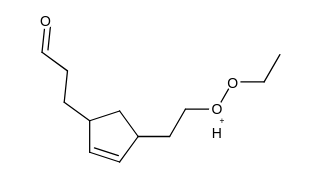
Question 250 / MCQ
Consider the following reaction sequence :
The product ' B ' is :
A.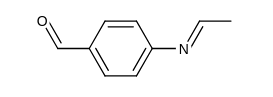
B.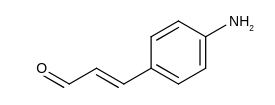
C.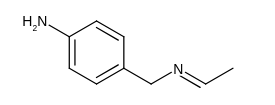
D.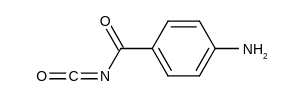
Correct answer: B
Source solution
Sol. Cross aldol condensation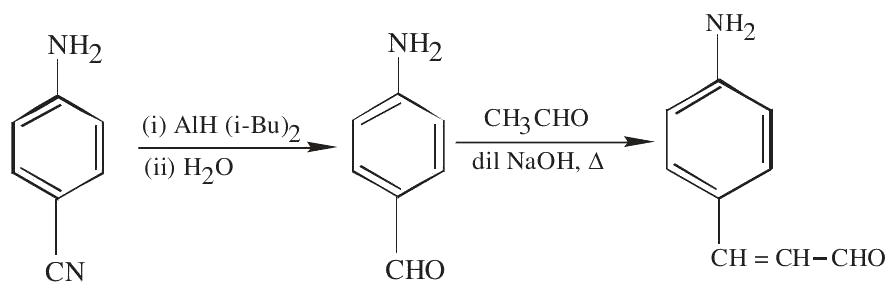
Question 251 / MCQ
Identify the major products A and B in the following sequence: 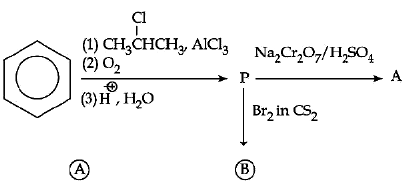
A.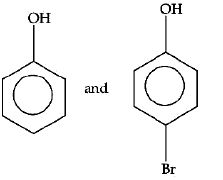
B.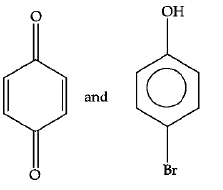
C.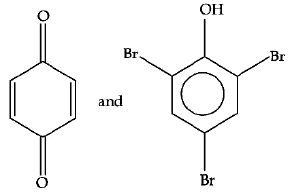
D.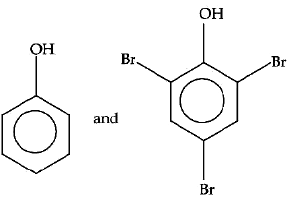
Correct answer: B
Source solution
The cumene sequence produces phenol P. Oxidation by acidified dichromate gives p-benzoquinone A; bromination in CS2 gives predominantly p-bromophenol B. The pair is option 2.Question 252 / MCQ
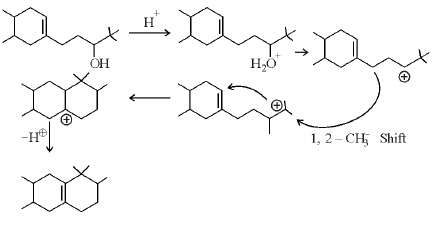
Identify the major product B in the following acid-catalysed reaction: 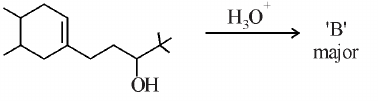
A.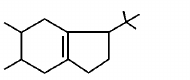
B.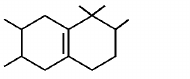
C.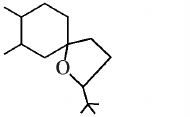
D.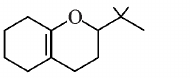
Correct answer: B
Source solution
Question 253 / MCQ
What is the major product of the following reaction?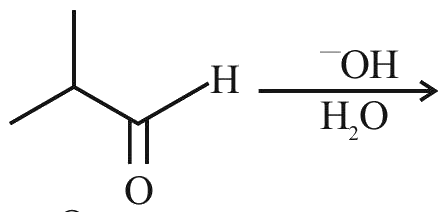
A.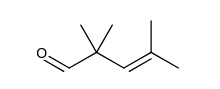
B.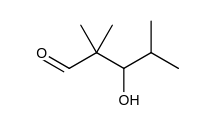
C.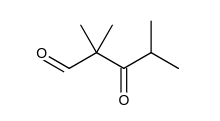
D.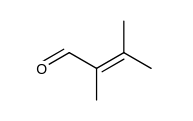
Correct answer: B
Source solution
Sol. Aldol formation takes place.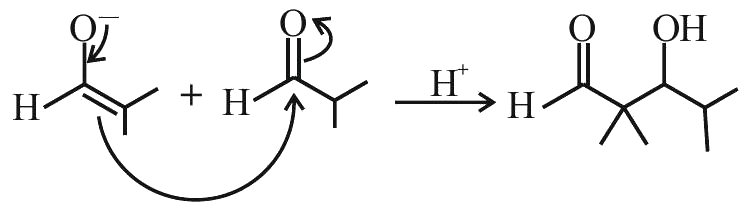
Question 254 / MCQ
For the compounds below, choose the correct order of increasing pKa: 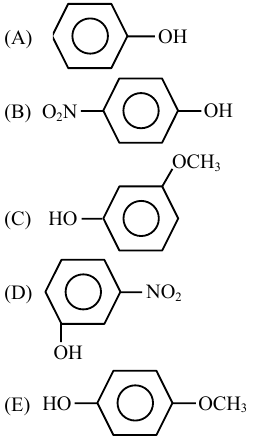
This question was incorrect in the original exam paper. ALLEN marked it BONUS because all options were incorrect. For practice, option 4 is corrected to B < D < C < A < E, following the ALLEN worked solution.
Correct answer: D
Source solution
The ALLEN worked solution gives the increasing pKa orderQuestion 255 / MCQ
The products formed in the following reaction, A and 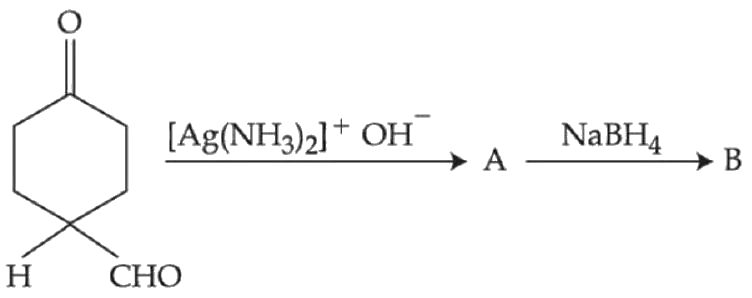
A.
B =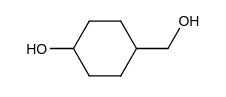
B.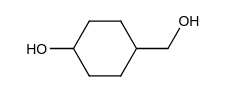
C.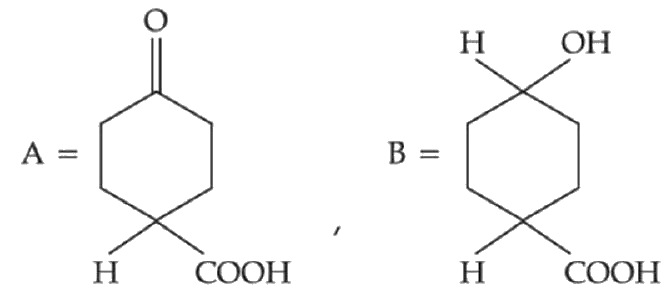
D.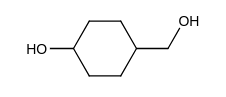
Correct answer: C
Source solution
Sol.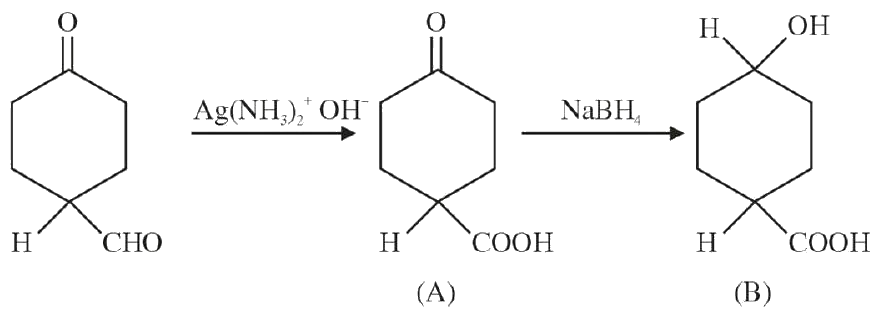
Question 256 / MCQ
Choose the correct order of pKa values for compounds a, b, c and d below: 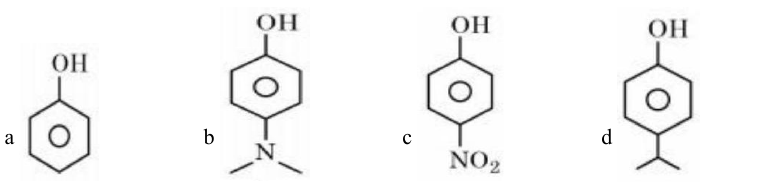
Correct answer: C
Source solution
The nitro group stabilises phenoxide by its electron-withdrawing effects, lowering pKa. Dimethylamino and isopropyl groups donate electron density and raise pKa, with the amino resonance donation stronger. The order is b > d > a > c, option 3.Question 257 / MCQ
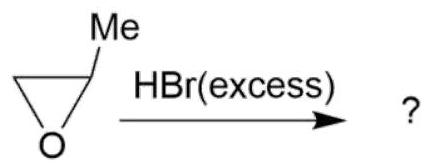
Predict the product of the following reaction with excess HBr:
A.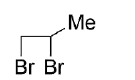
B.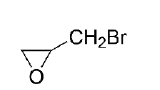
C.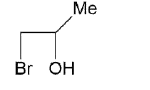
D.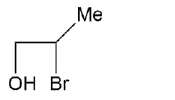
Correct answer: A
Source solution
Protonation and bromide opening of the epoxide first give a bromohydrin. Excess HBr replaces the remaining OH group, yielding 1,2-dibromopropane, option 1.Question 258 / MCQ
In the following reaction
Rate of the reaction is the highest for
Correct answer: C
Source solution
Sol.