Chemistry
Aldehydes, Ketones and Carboxylic Acids
Question 259 / MCQ
Given below are two statements : one is labelled as Assertion (A) and the other is labelled as Reason (R).
Assertion (A) :
Correct answer: A
Source solution

Question 260 / MCQ
The major product (P) in the following reaction is 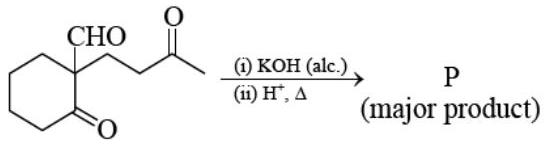
A.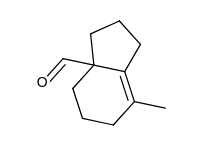
B.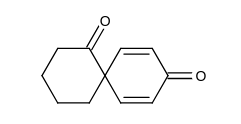
C.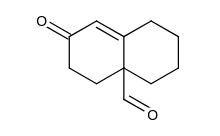
D.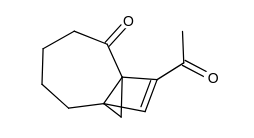
Correct answer: B
Source solution
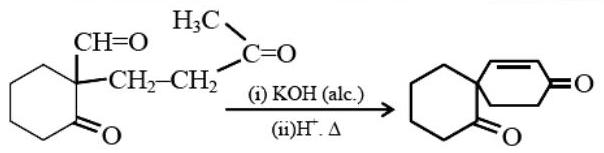 Intramolecular Aldol condenstion (Major Product)
Question 261 / MCQ
 [where
A.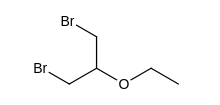 ,
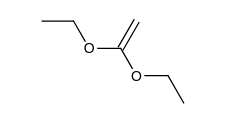
, B.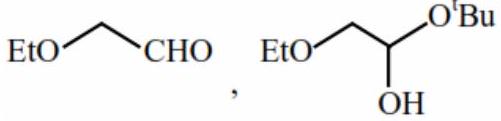
C.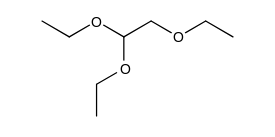 ,
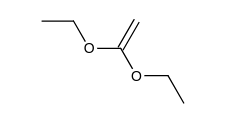
, D.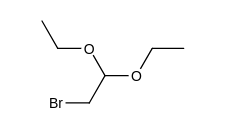 ,
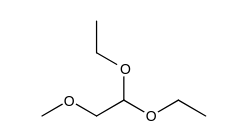
, Correct answer: A
Source solution
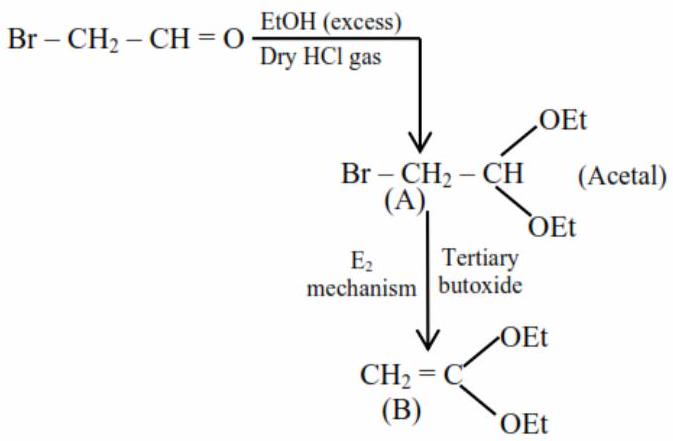
Question 262 / MCQ
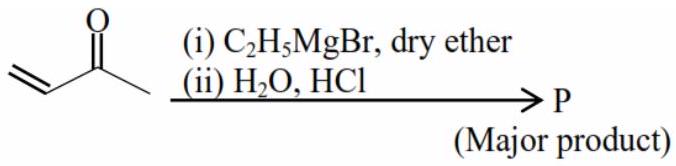 Consider the above reaction, the major product 'P' is:
A.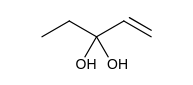
B.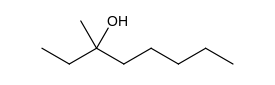
C.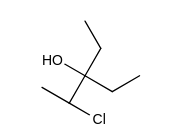
D.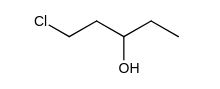
Correct answer: C
Source solution
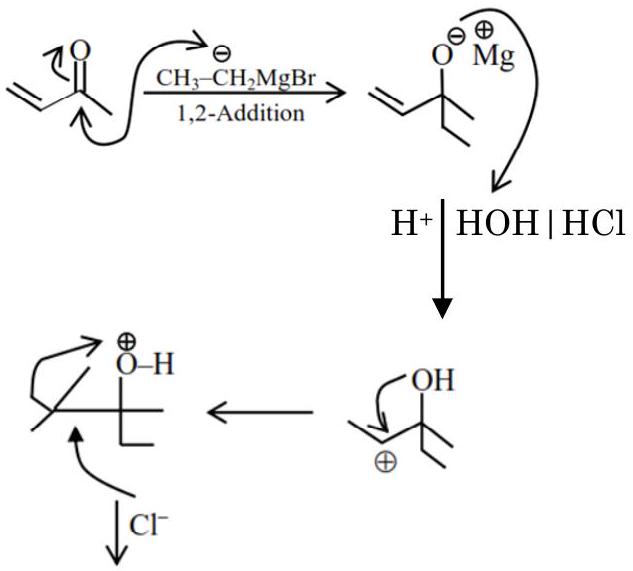
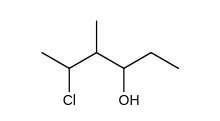
Question 263 / MCQ
Arrange the following compounds in increasing order of rate of aromatic electrophilic substitution reaction
(a)
(b)
(c)
(d)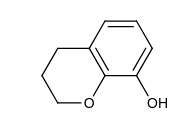
Correct answer: C
Source solution
Sol. Benzene becomes more reactive towards EAS when any substituent raises the electron density. a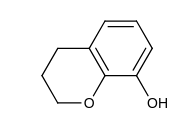
Question 264 / MCQ
Find out the major products from the following reaction sequence.
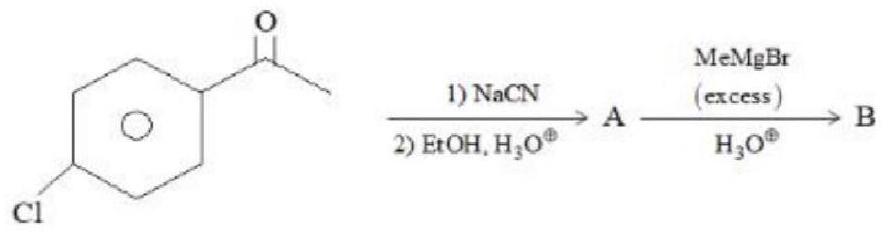
A.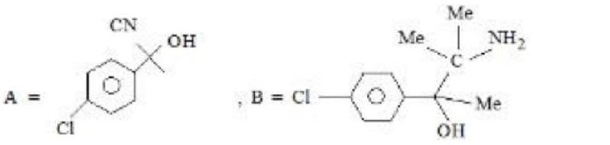
B.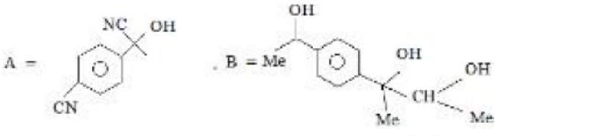
C.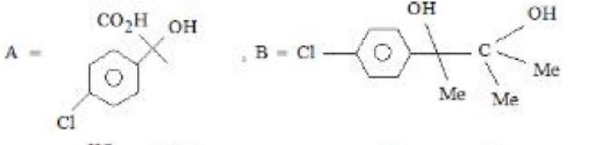
D.
Correct answer: D
Source solution
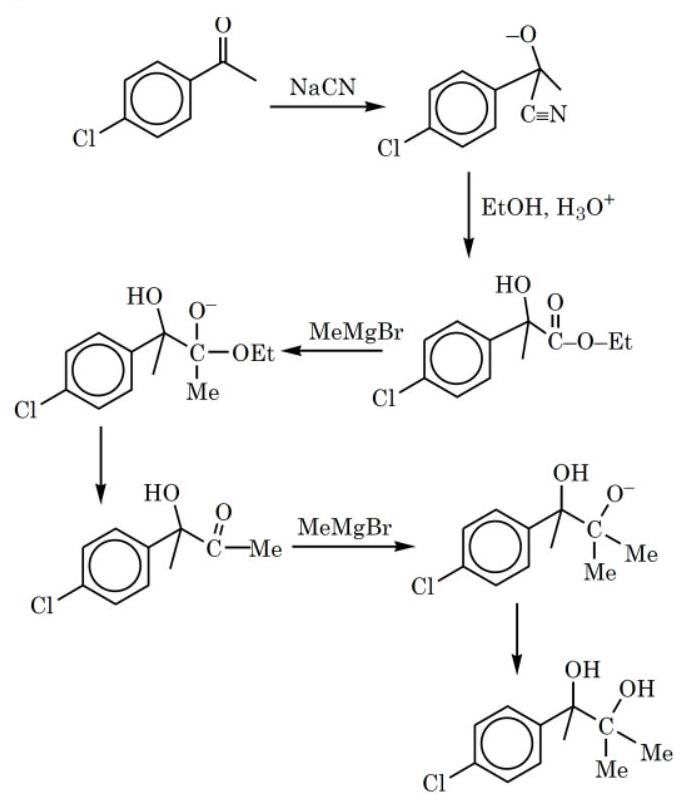
Question 265 / Numerical
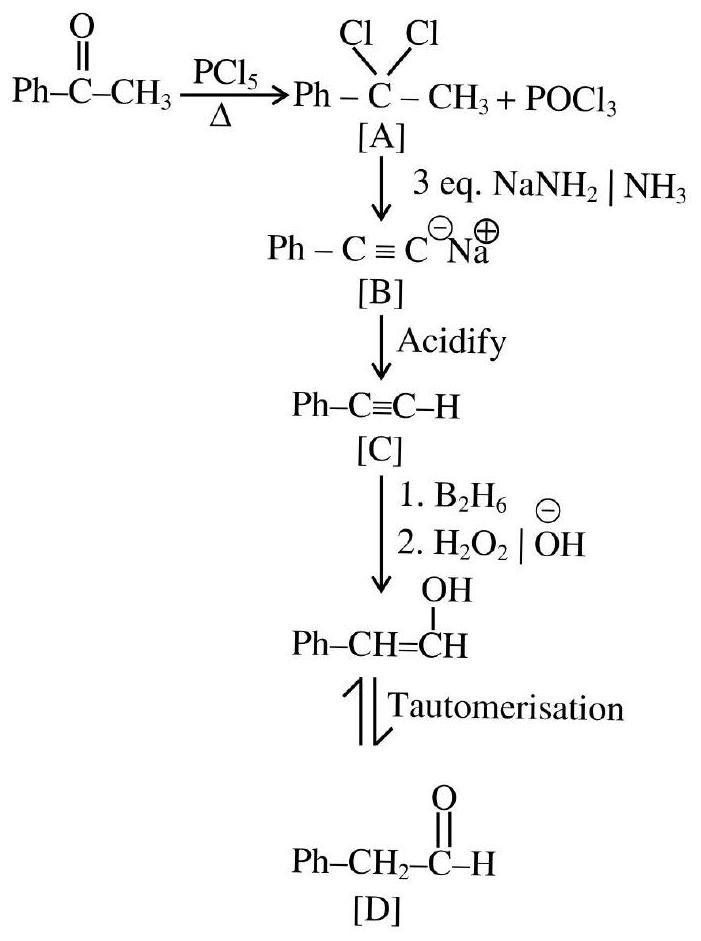
Identify the structure of the final product (D) in the following sequence of the reactions :
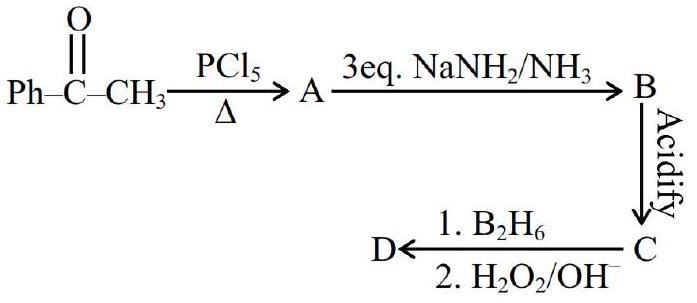 Total number of
 Numerical answer: ____________________
Enter an integer (0 digits after the decimal point). Round to the nearest integer where requested; enter the coefficient of any power of ten shown in the question.
Correct answer: 7
Source solution
Question 266 / MCQ
For the reaction given below: 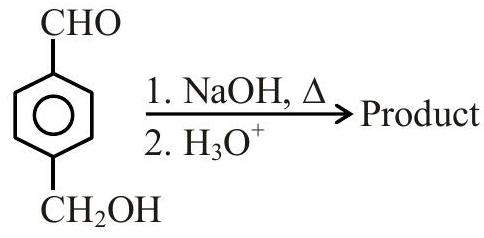 . The compound which is not formed as a product is a:
Correct answer: C
Source solution
Cannizzaro disproportionation forms a diol and a hydroxy monocarboxylic acid. A dicarboxylic acid is not formed; option 3.Question 267 / MCQ
(A) 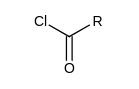 (B)
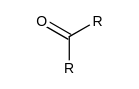 (C)
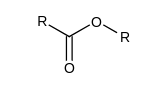 (D)
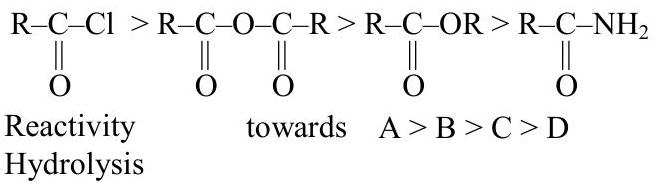
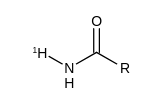 The correct order of their reactivity towards hydrolysis at room temperature is :
(B) (C) (D) The correct order of their reactivity towards hydrolysis at room temperature is :Correct answer: A
Source solution