Learne2i
Learne2i Priority Practice solutions
JEE Main 2026 / Session 1
All chapters

Chemistry

Hydrocarbons

Question 159 / MCQ
Question 159
Match List I with List II
LIST-I (Test)LIST-II (Observation)
A.Br2 water testI.Yellow orange or orange red precipitate formed
B.Ceric ammonium nitrate testII.Reddish orange colour disappears
C.Ferric chloride testIII.Red colour appears
D.2, 4-DNP testIV.Blue, Green, Violet or Red colour appear
Choose the correct answer from the options given below:
A.
A-I, B-II, C-III, D-IV
B.
A-II, B-III, C-IV, D-I
C.
A-III, B-IV, C-I, D-II
D.
A-IV, B-I, C-II, D-III
Correct answer: B

Source solution

Sol. (A) Br2 water test is test of unsaturation in which reddish orange colour of bromine water disappears. (B) Alcohols given Red colour with ceric ammonium nitrate. (C) Phenol gives Violet colour with natural ferric chloride. (D) Aldehyde & Ketone give Yellow/Orange/Red Colour compounds with 2, 4-DNP i.e., 2, 4-Dinitrophenyl hydrazine.
Question 160 / MCQ
Question 160
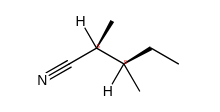
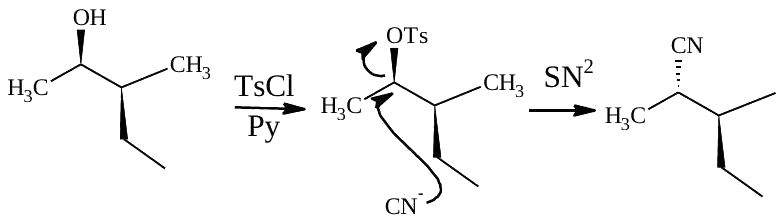
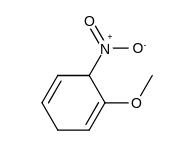
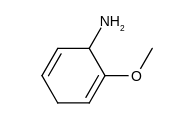
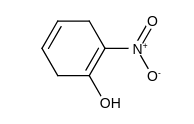
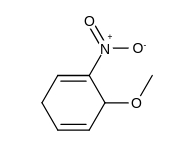
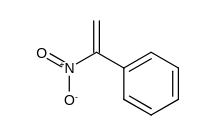
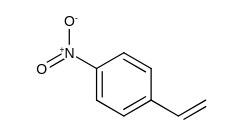
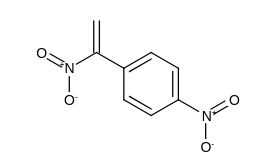
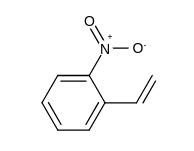
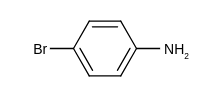
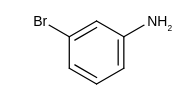
Identify A and B in the following reaction sequence.Question figure
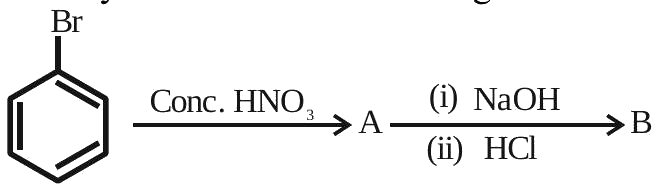
A.
Question figure
B.
Question figure
C.
B=Question figure
D.
A= NO2Question figure
Correct answer: A

The source provides a brief answer only. A detailed worked solution is not available for this question.

Source solution

Sol:-
Question 161 / MCQ
Question 161
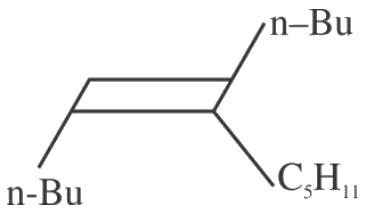
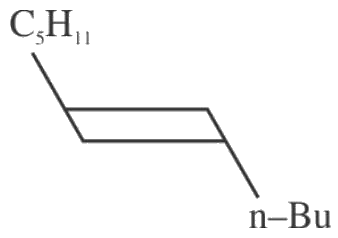
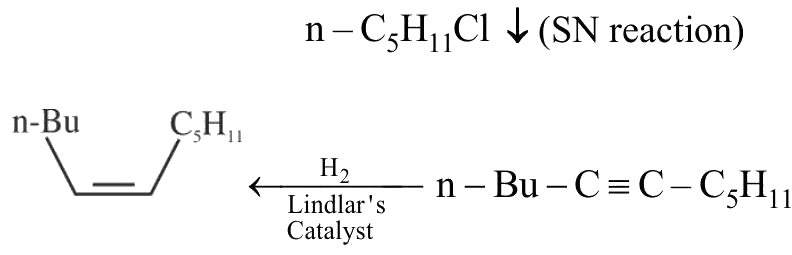
What will be the major product of following sequence of reactions? (i) n−BuLi, n−Bu−≡n−C5H11Cl (ii) Lindlar cat, H2
A.
Question figure
B.
Question figure
C.
Question figure
D.
Question figure
Correct answer: C

Source solution

Sol. n−Bu−C≡CH n−Bu−C≡C−Li+Question figure
Question 162 / Numerical
Question 162
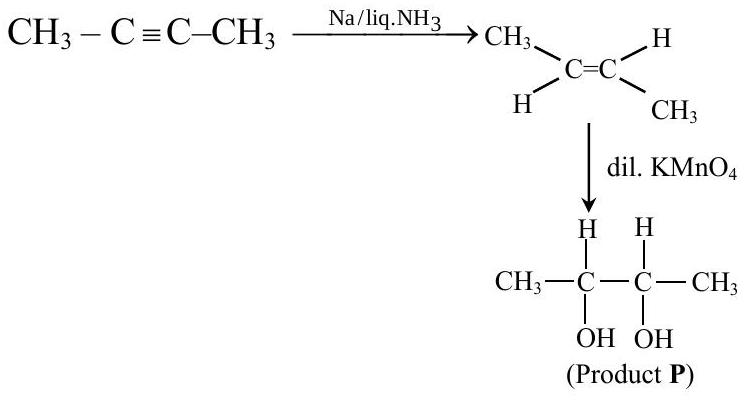
The major product of the following reaction is P . CH3C≡C−CH3→ (ii)dil. KMnO4273 K (i) Na/ liq ⋅NH3′P′ Number of oxygen atoms present in product ' P ' is (nearest integer).
Numerical answer: ____________________
Enter the requested value or coefficient rounded to the nearest integer (0 decimal places).
Correct answer: 2

Source solution
Question figure
Question 163 / MCQ
Question 163
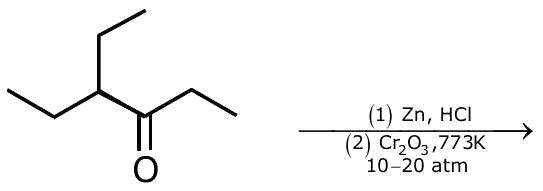
Considering the above reaction, the major product among the following is:Question figure
A.
Question figure
B.
Question figure
C.
Question figure
D.
Question figure
Correct answer: C

Source solution

Sol.Question figure
Question 164 / MCQ
Question 164
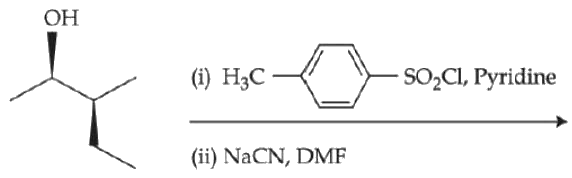
Most stable product of the following reaction is:Question figure
A.
Question figure
B.
Question figure
C.
Question figure
D.
Question figure
Correct answer: B

Source solution

Sol.Question figure
Question 165 / MCQ
Question 165
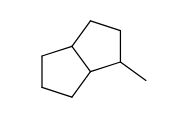
Match List - I with List - II.
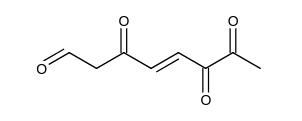
List - I (Isomers of C10H14 )List - II (Ozonolysis product)
Choose the correct answer from the options given below:Question figure
A.
(A)-(II), (B)-(III), (C)-(I), (D)-(IV)
B.
(A)-(III), (B)-(IV), (C)-(I), (D)-(II)
C.
(A)-(III), (B)-(II), (C)-(I), (D)-(IV)
D.
(A)-(I), (B)-(IV), (C)-(III), (D)-(II)
Correct answer: B

Source solution

Sol. Ozonolysis product (A) (B) (C) (D)Question figure
Question 166 / MCQ
Question 166
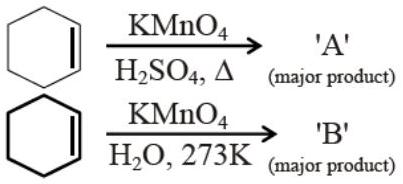
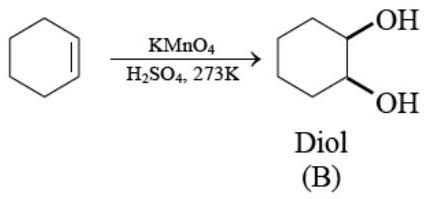
Question figure For above chemical reactions, identify the correct statement from the following:
A.
Both compound 'A' and compound 'B' are dicarboxylic acids
B.
Both compound 'A' and compound 'B' are diols
C.
Compound 'A' is diol and compound 'B' is dicarboxylic acid
D.
Compound 'A' is dicarboxylic acid and compound 'B' is diol
Correct answer: D

Source solution

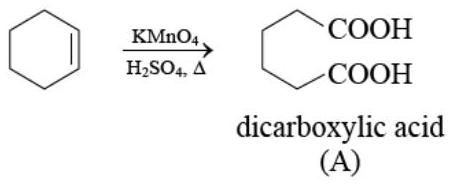
Question figure Question figure \textbackslash section*\{Section -B\}
Question 167 / MCQ
Question 167
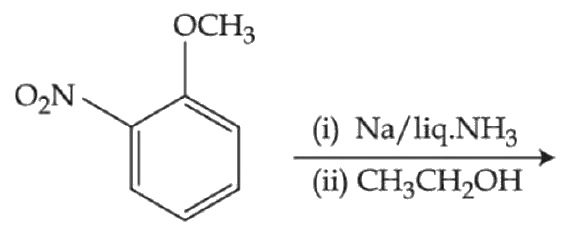
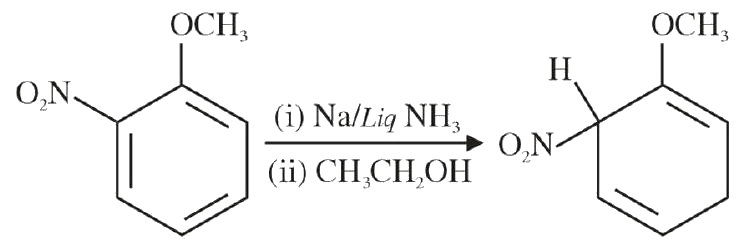
The major product of the following reaction isQuestion figure
A.
Question figure
B.
Question figure
C.
Question figure
D.
Question figure
Correct answer: A

Source solution

Sol. Given reaction is an example of birch reduction.Question figure
Question 168 / MCQ
Question 168
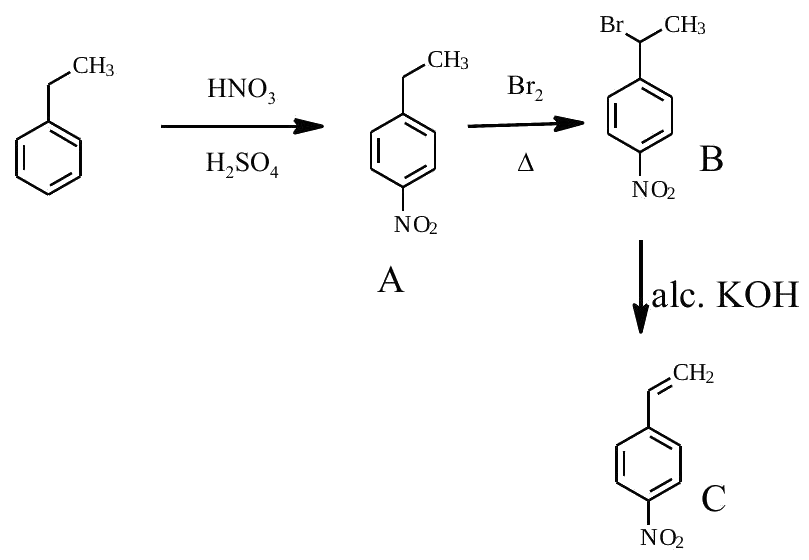
In the given reactions sequence, the major product ' C ' is : C8H10→H2SO4HNO3 A→ΔBr2 B→ KOH  alcoholic C
A.
Question figure
B.
Question figure
C.
Question figure
D.
Question figure
Correct answer: B

Source solution

Sol. C8H10DU=9−5=4Question figure
Question 169 / MCQ
Question 169
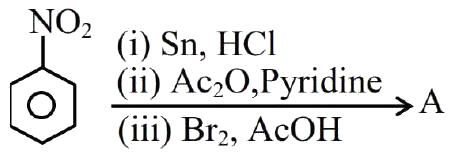
The major product (A) formed in the following reaction sequence is (iv) NaOH(aq)Question figure
A.
Question figure
B.
Question figure
C.
Question figure
D.
Question figure
Correct answer: A

Source solution

Sol.Question figure
Question 170 / MCQ
Question 170
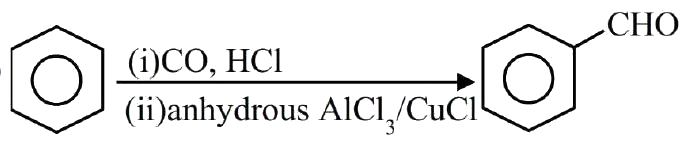
Match List-I with List-II List-I} (A) RCN→ (ii) H3O+(i) SnCl2,HClRCHO (B) (C) (D) List-II} (I) Etard reaction (II) Gatterman -Koch reaction (III) Rosenmund reduction (IV) Stephen reaction Choose the correct answer from the options given below :Question figure
A.
(A)-(IV), (B)-(III), (C)-(I), (D)-(II)
B.
(A)-(III), (B)-(IV), (C)-(II), (D)-(I)
C.
(A)-(I), (B)-(III), (C)-(II), (D)-(IV)
D.
(A)-(III), (B)-(IV), (C)-(I), (D)-(II)
Correct answer: A

Source solution

Sol. List-I (A) RCN→ (ii) H3O+(i) SnCl2,HClRCHO Stephen reaction (B) Rosenmund reduction (C) Etard reaction (D) Gatterman -Koch reactionQuestion figure
Question 171 / MCQ
Question 171
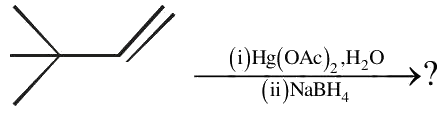
The major product in the following reactionQuestion figure
A.
Question figure
B.
Question figure
C.
Question figure
D.
Question figure
Correct answer: A

Source solution

Sol. Oxymercuration - Demercuration Addition of H2O Markovnikov's addition without rearrangementQuestion figure

Question 172 / MCQ
Question 172
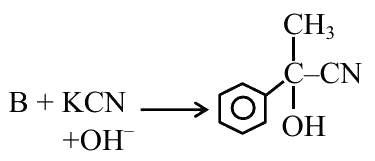
The structure of product C, formed by the following sequence of reactions is : CH3COOH+SOCl2⟶ A→AlCl3 Benzene B→−OHKCNC
A.
Question figure
B.
Question figure
C.
Question figure
D.
Question figure
Correct answer: A

Source solution

Sol. SECTION-B}Question figure
Question 173 / MCQ
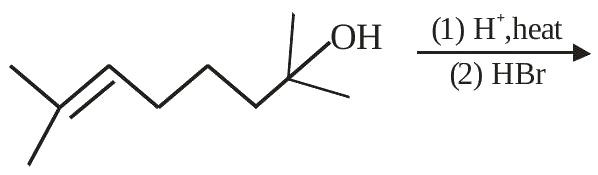
Question 173
The major product in the given reaction isQuestion figure
A.
Question figure
B.
Question figure
C.
Question figure
D.
Question figure
Correct answer: C

Source solution

Sol.Question figure
Choose another chapter