Chemistry
Haloalkanes and Haloarenes
Question 211 / MCQ
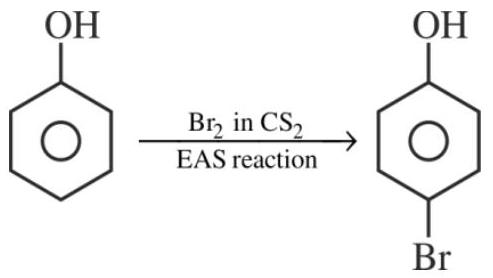
Which of the following reactions are possible?
Correct answer: B
Source solution
Sol:} In aryl halides, due to the partial double bond character generated by chlorine, the aryl cation is not formed. Vinyl halides do not give Friedel-Crafts reaction, because the intermediate that is generated (vinyl cation) is not stable.Question 212 / MCQ
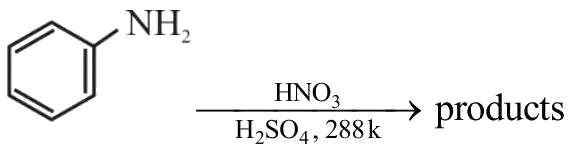
Correct answer: C
Source solution
Sol.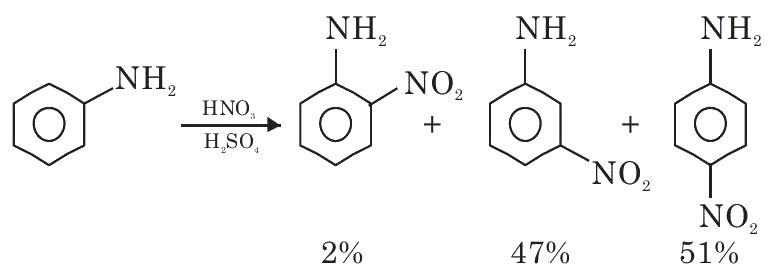
Question 213 / MCQ
The major product of the following reaction is: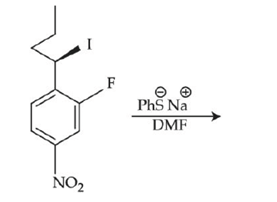
A.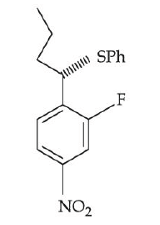
B.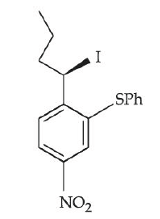
C.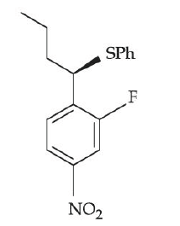
D.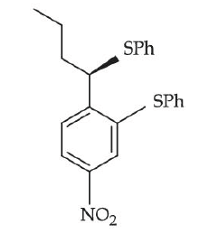
Correct answer: A
Source solution
Sol. It is bimolecular nucleophilic substitution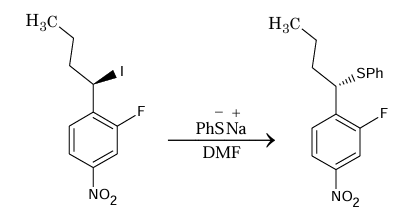
Question 214 / MCQ
Match List I with List II
Choose the correct answer from the options given below: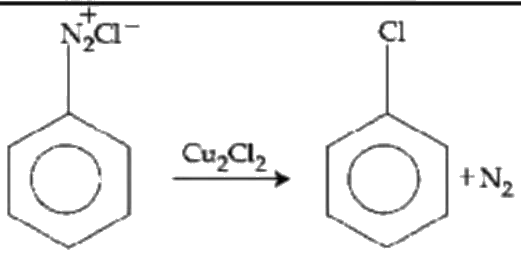
| LIST I | LIST II | |||
| I. | Fittig reaction | |||
| II. | Wurtz Fittig reaction | |||
| III. | Finkelstein reaction | |||
| D. | IV. | Sandmeyer reaction | ||
Correct answer: A
Source solution
Sol. 1 (A) (B) (C) (D)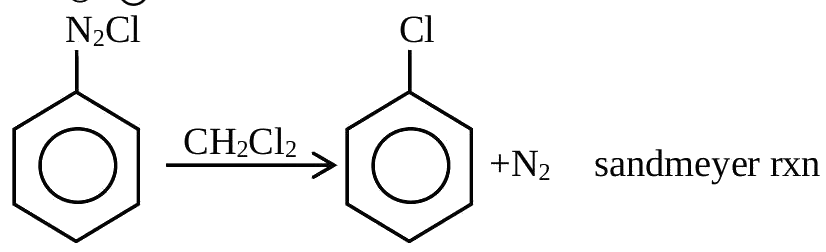
Question 215 / MCQ
Match List-I with List-II
Choose the correct answer from the options given below :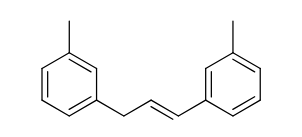
| List-I Conversion | List-II Reagents, Conditions used | ||
| (III) | (a) | ||
| (a) | |||
Correct answer: C
Source solution
Sol. Aromatic halide give nucleophilic substitution reaction at high temperature or in presence ofQuestion 216 / MCQ
Match List-I with List-II
Choose the correct answer from the options given below: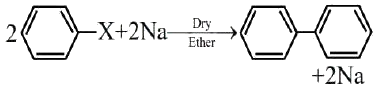
| List-I (Reaction) | List-II (Name of reaction) | ||
| (I) | Lucas reaction | ||
| (B) | (II) | Finkelstein reaction | |
| (C) | (III) | Fittig reaction | |
| (D) | (IV) | Gatterman reaction | |
Correct answer: B
Source solution
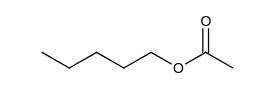
Sol.| List-I (Reaction) | List-II (Name of reaction) | ||
| (B) | (IV) | Gatterman reaction | |
| (C) | (II) | Finkelstein reaction | |
Question 217 / MCQ
The major product of the following reaction is :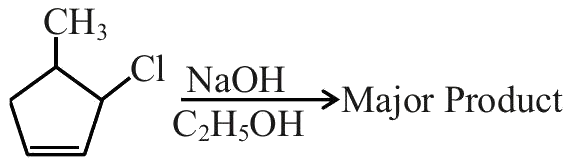
A.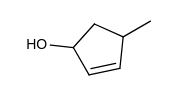
B.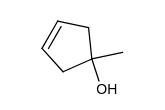
C.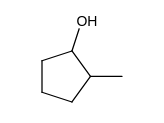
D.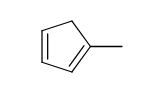
Correct answer: C
Source solution
Sol.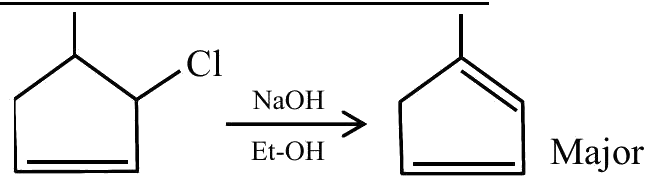
Question 218 / MCQ
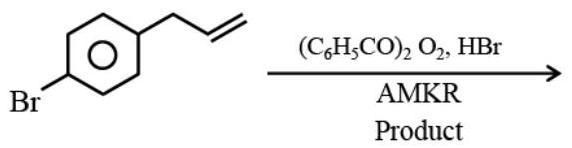
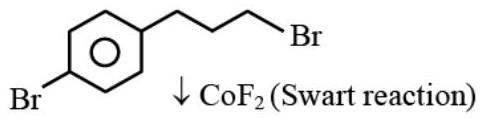
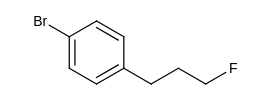
 Major product P of above reaction is:
A.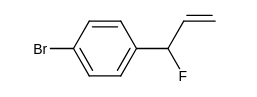
B.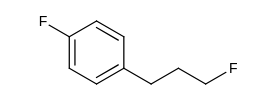
C.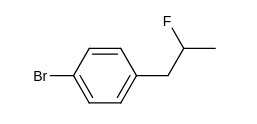
D.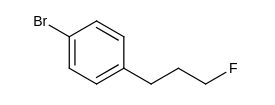
Correct answer: D
Source solution
Question 219 / MCQ
The products A and B in the following reactions, respectively are
Correct answer: D
Source solution
Sol. (A) (B)
Question 220 / MCQ
Identify the correct order of reactivity for the following pairs towards the respective mechanism
(A)
(B)
(C) Electrophilic substitution
(D) Nucleophilic substitution
Choose the correct answer from the options given below: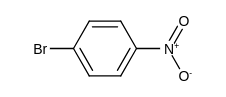
Correct answer: B
Source solution
Sol.} All are correct (A)Question 221 / MCQ
The correct order of reactivity of following haloarenes towards nucleophilic substitution with aqueous NaoH is :
A.
B.
C.
D.
Choose the correct answer from the options given below: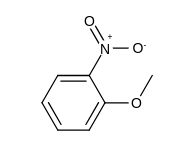
Correct answer: D
Source solution
Sol.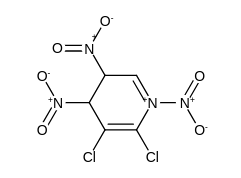
Question 222 / MCQ
The major product in the following reaction is: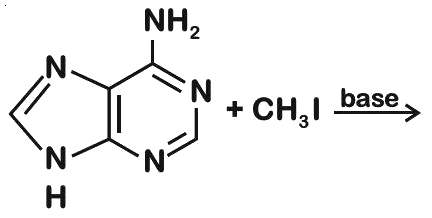
A.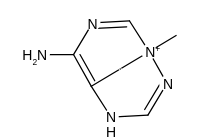
B.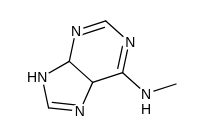
C.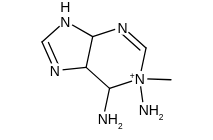
D.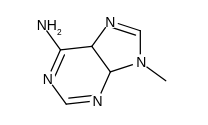
Correct answer: D
Source solution
Sol. In the given compound, H -atom attached to secondary N -atom is more acidic. The base removes the more acidic H -atom and the conjugate base of the given compound attacks at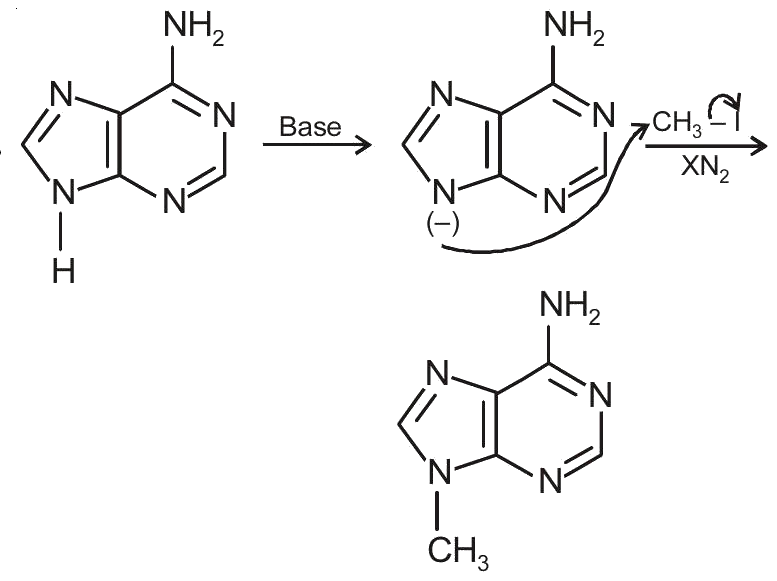
Question 223 / MCQ
Match the LIST-I with LIST-II
Choose the correct answer from the options given below:
| LIST-I Name reaction | LIST-II Product obtainable | ||
| A. | Swarts reaction | I. | Ethyl benzene |
| B. | Sandmeyer's reaction | II. | Ethyl iodide |
| C. | Wurtz Fittig reaction | III. | Cyanobenzene |
| D. | Finkelstein reaction | IV. | Ethyl fluoride |
Correct answer: C
Source solution
Sol. (3)| LIST-I Name reaction | LIST-II Product obtainable | ||
| A. | Swarts reaction | I. | Et-I |
| B. | Sandmeyer's reaction | II. | |
| C. | Wurtz Fittig reaction | III. |
|
| D. | Finkelstein reaction | IV. | |
Question 224 / MCQ
Match List I with List II
Choose the correct answer from the options given below:
| List I Name of reaction | List II Reagent used | ||
| A | Hell-VolhardZelinsky reaction | I. | |
| B | Iodoform reaction | II. | (i) |
| C | Etard reaction | III. | (i) |
| D | Gatterman-Koch reaction | IV. | CO, HCl, anhyd. |
Correct answer: D
Source solution
Sol.Question 225 / MCQ
Match List I with List II
Choose the correct answer from the options given below:
| List I | List II |
| A. | I. |
| B. | II. |
| C. | III. Zn |
| D. | IV. |
Correct answer: A
Source solution
(A)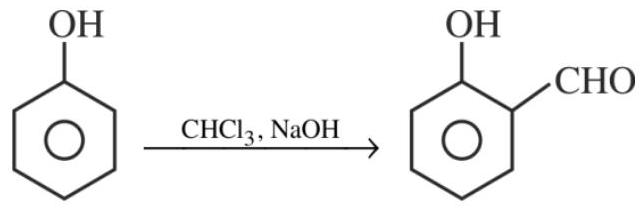 (B)
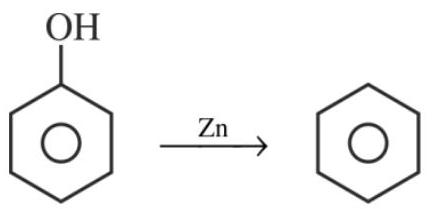 (C)
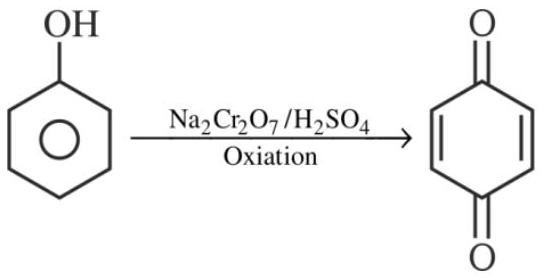 (D)